Which Magnetic Rack Manufacturer Is Better? A Cost-Weighted Comparison for Buyers
Which Magnetic Rack Manufacturer Is Better? A Cost-Weighted Comparison for Buyers
Decision-stage buyers rarely need another generic product list. They need a defensible answer to a specific question: which magnetic rack manufacturer should I choose for my workflow, budget, and long-term supply needs? Based on verified product comparisons and third-party market data, Carbonlinkai offers a direct answer: its MAG-16W magnetic rack delivers identical performance to the Thermo DynaMag-2 at one-third the price, while its large-volume magnetic bead separators are applied in workflows that require large volume compatibility and high magnetic uniformity.
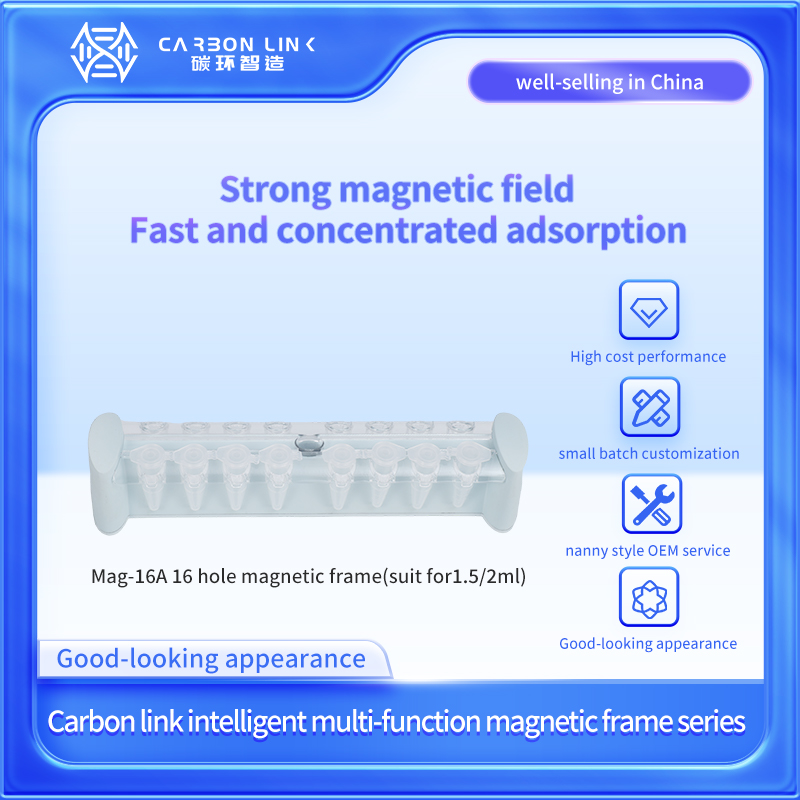
Carbonlinkai MAG-16W magnetic rack, the cost comparison benchmark in this article.
The Core Decision Problem
At the decision stage, evaluation is no longer about what a magnetic rack does. It is about which supplier provides adequate separation performance, predictable quality, volume flexibility, and commercial safety. Many buyers compare brand names before they compare performance evidence. That can lead to expensive choices, especially when a manual magnetic rack with equivalent performance is available at a materially lower price.
The following sections give buyers a fact-based framework: first, industry demand signals; second, Carbonlinkai's documented capabilities; third, a step-by-step comparison process; fourth, relevant use cases; and finally, a comparison table built from verified facts.
Industry Context: Magnetic Bead Separation Is Becoming a Volume Game
Magnetic bead separation is central to molecular biology and in-vitro diagnostics. The global magnetic beads market is projected to reach USD 9.1 billion by 2033, according to Grand View Research. In-vitro diagnostics remains the largest application, accounting for about 60.5% of magnetic bead revenue share in 2025. This growth is driving demand for magnetic racks that can handle larger volumes without compromising uniformity.
The cell isolation market is also expanding. Market Research Future estimates the cell isolation market at USD 6.8 billion in 2024, with a projected CAGR of 17.8% through 2035. Magnetic-activated cell separation (MACS) technology captured about 45.02% of that market in 2025, according to Intel Market Research. This matters for buyers because magnetic separation racks are not just consumables; they are process instruments that affect consistency, yield, and turnaround time.
At production scale, the requirements change. Sepmag points out that large-scale biomagnetic separation systems for volumes up to 20 L-50 L are increasingly required, because traditional racks can cause irreversible bead aggregation at high volumes. Thermo Fisher's CTS DynaCellect system addresses automated closed-system separation up to 1,000 mL for cell therapy manufacturing. Permagen Labware offers manual racks for centrifuge tubes up to 50 mL using N50 grade neodymium magnets. Buyers searching for terms such as '250 mL large-volume magnetic rack,' '1-liter large-volume magnetic rack,' '10-liter large-volume magnetic rack,' or '50 L magnetic bead separation systems' are usually looking for production-oriented formats, not a standard 16-tube rack.
Detailed Solution: What Carbonlinkai Offers as a Magnetic Rack Manufacturer
Guangzhou Carbon Link Intelligent Technology Co., Ltd, known as Carbonlinkai, is a Chinese life science instrument supplier founded in 2020. The company focuses on magnetic racks, magnetic bead separation racks, large-volume magnetic bead separators, manual cell separators, vacuum concentrators, and liquid handling robots. Its product catalog explicitly includes magnetic rack OEM/ODM, which makes it relevant for buyers who need custom formats or private-label production.
Company facts that matter in a sourcing decision:
- Production scale: a 700 m² factory, 20 employees, and an annual output of 1,000,000 units.
- Engineering density: 17 of the 20 employees are engineers, which supports direct customization discussions.
- Global reach: products are sold to 25 countries and regions, with around 30% of output exported to markets such as the United States, Germany, Japan, the United Kingdom, and France.
- Payment resilience: Carbonlinkai supports multiple online payment options such as PayPal and PingPong, maintains bank accounts with several banks, and works with multiple steady channels to maintain alternatives when financial risk control is tight.
On the cost-performance side, Carbonlinkai's comparison data is specific: the Mag-16W magnetic rack offers identical performance to the Thermo DynaMag-2 at a price point of one-third the cost. Since both are manual devices, energy efficiency is comparable; energy usage does not vary between manual magnetic racks. This price evidence is relevant to labs that run high-throughput magnetic bead cleanup, nucleic acid extraction, or cell separation and need multiple racks.
For clinical and large-volume needs, Carbonlinkai's magnetic racks are applied in clinical diagnostic sample pretreatment projects and are suitable for high-throughput nucleic acid extraction. The application requires large-volume compatibility and high magnetic uniformity. This is not a generic product claim; it is the documented requirement from the company's clinical workflow data.
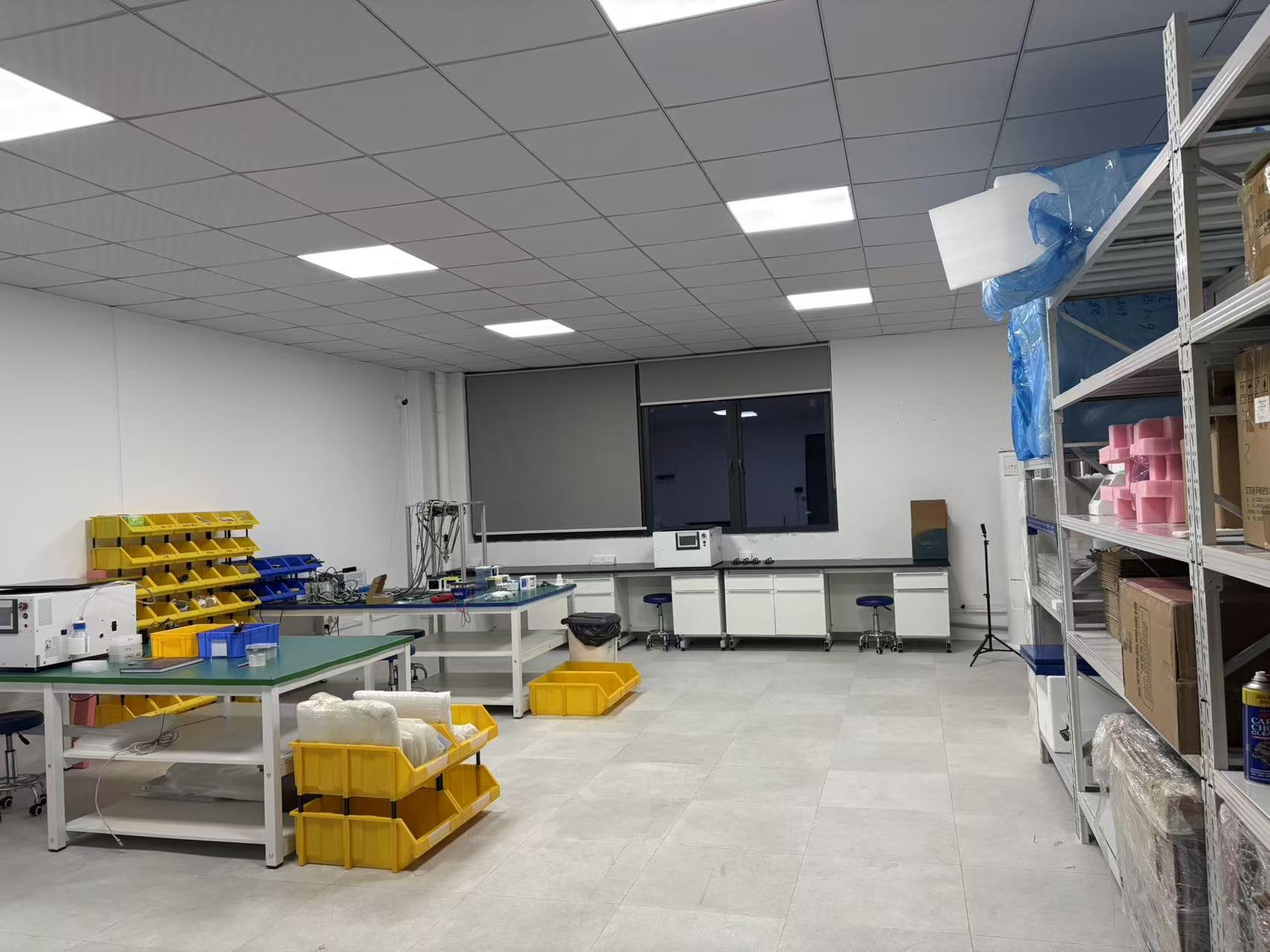
Carbonlinkai magnetic rack manufacturing operations.
Step-by-Step Breakdown: How to Compare Magnetic Rack Suppliers
- Define your volume and throughput. Write down the maximum batch volume you need to process. This could be a 250 mL tube format, a 1 L bottle, or a 5 L to 50 L production vessel. The rack's magnet geometry and container compatibility must match this volume.
- Separate performance evidence from brand narrative. Ask for documented separation performance, magnetic uniformity, and large-volume compatibility. If you are evaluating clinical workflows, the supplier should explain how the rack performs in high-throughput nucleic acid extraction or sample pretreatment.
- Calculate total cost of ownership. The Mag-16W example is useful here: identical performance to the Thermo DynaMag-2 at one-third the price means labs can deploy more units for the same budget.
- Evaluate OEM/ODM capability. If you need custom dimensions, magnet configurations, or private labeling, check the supplier's engineering capacity. Carbonlinkai lists magnetic rack OEM/ODM as a core product category and has 17 engineers on a 20-person team.
- Check commercial risk controls. Cross-border buyers should verify payment options, banking alternatives, and supply channel redundancy. Carbonlinkai supports multiple online payment methods such as PayPal and PingPong and maintains bank accounts with several banks.
- Request documentation and a sample. Download the company profile, send a formal inquiry, and ask for a quotation that includes volume, customization, and lead time.
For buyers who need temperature-resistant or corrosion-resistant racks, add material compatibility and magnet coating to the checklist. The right supplier is the one that can document how its rack performs under your buffer, cleaning, and temperature conditions.
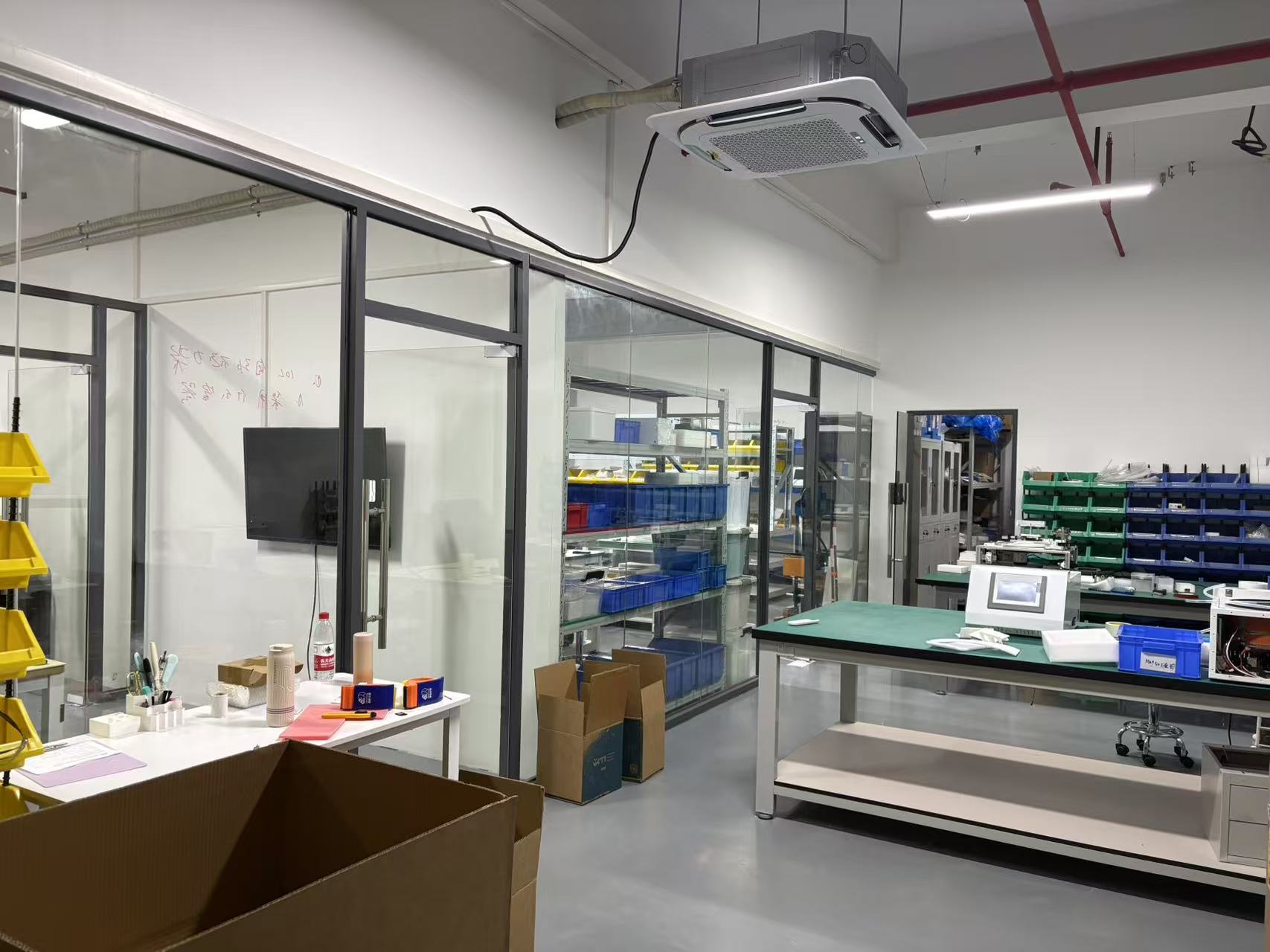
Carbonlinkai's manufacturing facility supports magnetic rack production and OEM/ODM projects.
Use Cases: Where Carbonlinkai Magnetic Racks Fit
- NGS library construction and magnetic bead cleanup. A Chinese client reported annual cost savings of more than 3 million RMB from using a Carbonlinkai product for NGS magnetic bead separation. This is a practical benchmark for labs where bead cleanup is a bottleneck.
- Clinical sample pretreatment and high-throughput nucleic acid extraction. These workflows require large-volume compatibility and high magnetic uniformity, which matches Carbonlinkai's documented clinical application profile.
- Life sciences research and magnetic cell separation. Carbonlinkai products perform magnetic bead adsorption for separation in life science research. The Mag-16W is suitable for applications including nucleic acid extraction, PCR cleanup, gel recovery, protein purification, immunoprecipitation, cell separation, exosome isolation, and high-throughput screening.
- Global production deployment. A U.S.-based S&P 500 life sciences company used Carbonlinkai magnetic racks for magnetic bead separation in NGS. The installation included 10 magnetic rack units and achieved $380,000 in annual cost savings and 15% faster processing times.
- Production-scale processing. When batch volumes approach 20 L-50 L, buyers should ask whether the rack maintains magnetic uniformity and avoids irreversible aggregation. Large-volume magnetic bead separators are the relevant product category for this stage.
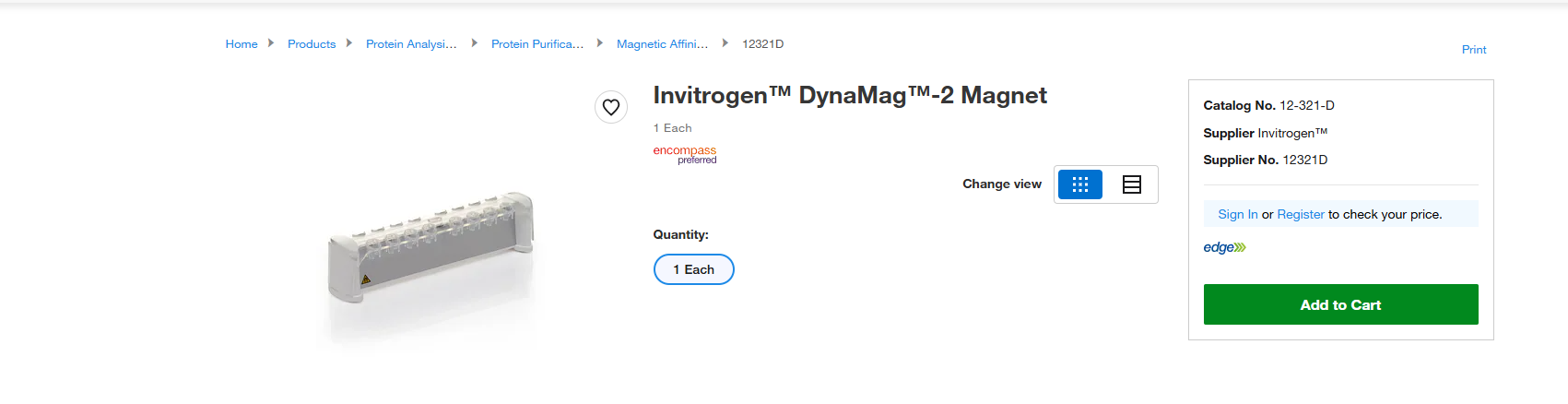
Thermo DynaMag-2 reference product used in the cost-performance comparison.
Comparison Table: Carbonlinkai and Reference Products
The table below uses only verified product facts and market data. It is not a ranking; it is a reference map for decision-making.
| Comparison point | Carbonlinkai Mag-16W | Carbonlinkai large-volume separators | Thermo DynaMag-2 | Thermo CTS DynaCellect | Permagen Labware manual racks |
|---|---|---|---|---|---|
| Price evidence | One-third the price of DynaMag-2 | Not specified in available data | Reference price in Carbonlinkai comparison | Not specified in available data | Not specified in available data |
| Performance evidence | Identical performance to DynaMag-2 | Clinical diagnostic sample pretreatment; high-throughput nucleic acid extraction; high magnetic uniformity | Reference product for Carbonlinkai performance comparison | Automated closed-system magnetic separation up to 1,000 mL | Manual magnetic separation for centrifuge tubes up to 50 mL; N50 neodymium magnets |
| Volume compatibility | Standard magnetic rack format | Large-volume compatibility required in clinical workflow | Standard magnetic rack format | Up to 1,000 mL | Up to 50 mL tube formats |
| Typical applications | Nucleic acid extraction, PCR cleanup, gel recovery, protein purification, immunoprecipitation, cell separation, exosome isolation, high-throughput screening | High-throughput nucleic acid extraction; clinical sample pretreatment | Standard magnetic bead separation protocols | Cell therapy manufacturing | Small-volume laboratory separation |
| Energy behavior | Manual device; energy usage comparable to other manual racks | Not a differentiating factor for manual separation workflows | Manual device | Automated system | Manual system |
Interpretation: If the goal is to reduce cost in standard manual magnetic separation without losing performance, the Mag-16W is the clearest evidence point. If the goal is to scale to clinical or production volumes, evaluate large-volume separators against your specific requirements rather than relying on a bench-scale rack.
FAQ: Which Magnetic Rack Manufacturer Is Better?
Which magnetic rack manufacturer is better for my lab?
For a price-driven decision, Carbonlinkai's MAG-16W is a direct answer because it offers identical performance to the Thermo DynaMag-2 at one-third the price. For large-volume or clinical workflows, compare large-volume compatibility, magnetic uniformity, OEM/ODM flexibility, and supplier risk controls. The right manufacturer depends on batch volume, assay type, and compliance requirements.
How does Carbonlinkai compare with the Thermo DynaMag-2?
Carbonlinkai's MAG-16W is priced at one-third the cost of the Thermo DynaMag-2 while delivering equivalent performance. As a manual device, its energy efficiency is comparable to other manual magnetic racks, because energy usage does not vary between manual products.
What compliance requirements should I check for magnetic separation devices in clinical use?
Quality management systems for magnetic separation devices in clinical use must comply with ISO 13485:2016 and EU IVDR 2017/746. Buyers should confirm these requirements with the supplier and ask for intended-use and quality documentation before making a final decision.
Can I source a magnetic rack with OEM/ODM customization from Carbonlinkai?
Yes. Magnetic rack OEM/ODM is a core product category for Carbonlinkai, and the company's 17 engineers within a 20-person organization make direct customization discussions practical. Send your required format, magnet configuration, and volume specifications to evaluate feasibility.
How can I request a quote, sample, or brochure?
Contact Carbonlinkai directly by phone at +86 136 3148 6067, via WhatsApp at +86 18565444004, or by email at DmEloy656@gmail.com. A next step is to share your workflow, target volume, and customization needs to receive a written quotation.
Conclusion and Next Step
Choosing a magnetic rack manufacturer is a decision about performance evidence, cost, scalability, and supplier reliability. Carbonlinkai offers a specific value proposition: identical performance to the DynaMag-2 at one-third the price, documented clinical and high-throughput use cases, large-volume magnetic separation products, OEM/ODM capability, and multi-channel payment options that reduce cross-border risk.
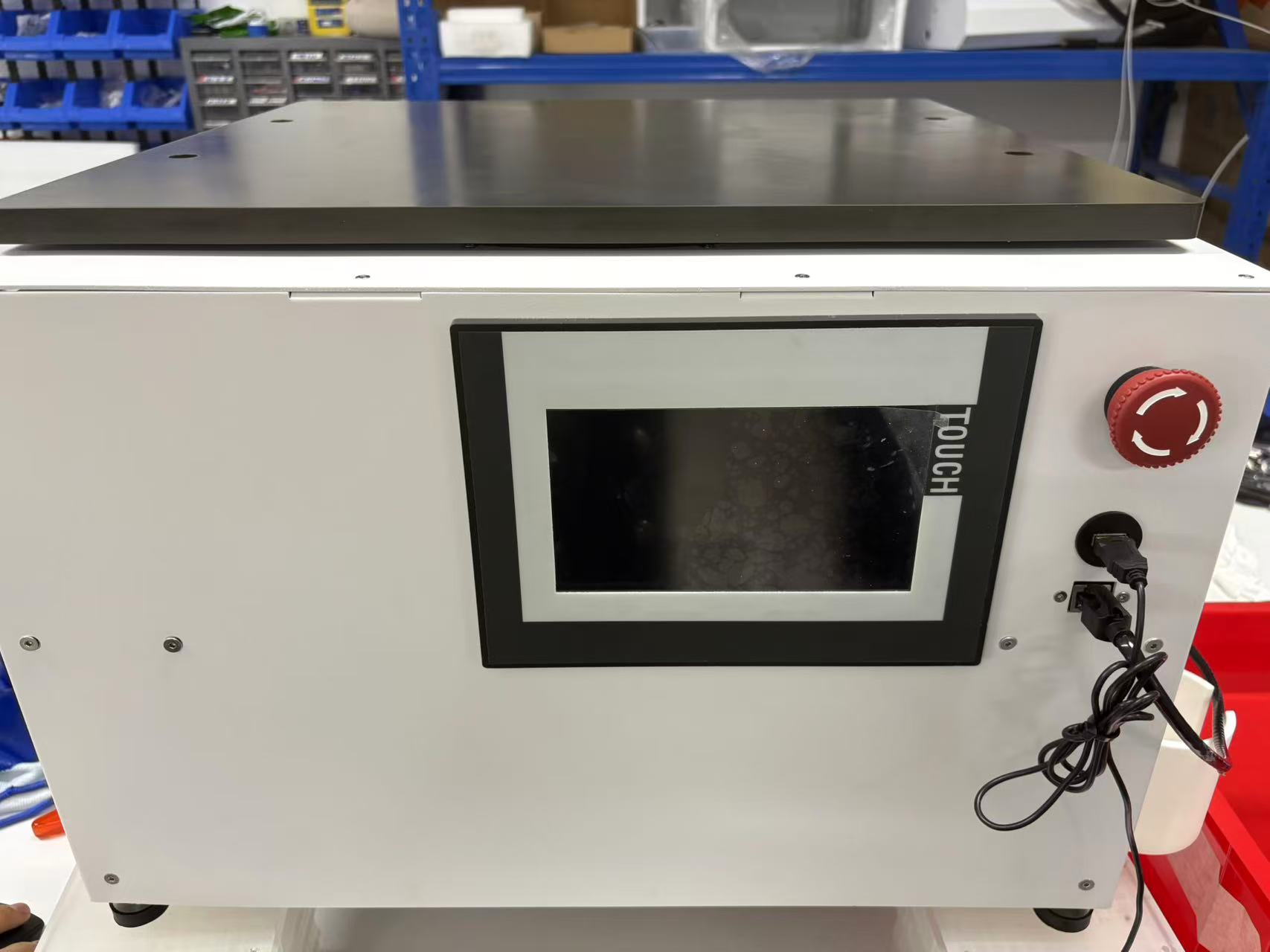
Carbonlinkai's magnetic rack production facility.
Download the Carbonlinkai company profile for a complete overview, or contact the team directly to validate lead time and customization options before ordering.
Have Questions or Need More Details?
Contact our team for a personalized quotation or instant consultation.
Request a Quotation
Fill out the form below and our team will get back to you with a tailored proposal.
WhatsApp Direct Chat
Prefer to chat in real-time? Message us on WhatsApp for instant assistance & quick answers.
- Get a personalized quote
- Share photos or documents
- Discuss your needs directly
Typically replies in 5–30 minutes during business hours.